

OEM vs Aftermarket Suspension Parts in UAE (Source: Google)
Suspension problems are common in the UAE. Speed bumps, road expansion joints, heat, and heavy mileage can wear out control arms, bushings, stabilizer links, ball joints, and shock absorbers faster than expected.
One of the biggest questions vehicle owners and garages ask is:
Should I buy OEM suspension parts or aftermarket suspension parts?
The answer depends on your vehicle, budget, and how you use the car.
In this guide, we explain the difference between OEM and aftermarket suspension parts in the UAE and help you decide which option is right for your vehicle.
What Are OEM Suspension Parts?
OEM stands for Original Equipment Manufacturer.
These are parts made by the vehicle manufacturer or an approved supplier to match the exact specifications of the original part installed in your vehicle.
For example:
A Toyota control arm supplied through Toyota channels would be considered an OEM part.
Benefits of OEM suspension parts
-
Exact fitment for your vehicle
-
Original manufacturer quality standards
-
Predictable ride comfort and handling
-
Lower compatibility risk
Downsides of OEM suspension parts
-
Usually more expensive
-
Limited brand choices
-
Some parts may have longer lead times in the UAE
OEM parts are often preferred for:
-
newer vehicles
-
luxury vehicles
-
warranty-sensitive repairs
-
owners wanting factory specifications
What Are Aftermarket Suspension Parts?
Aftermarket suspension parts are manufactured by third-party brands designed to match or replace the original component.

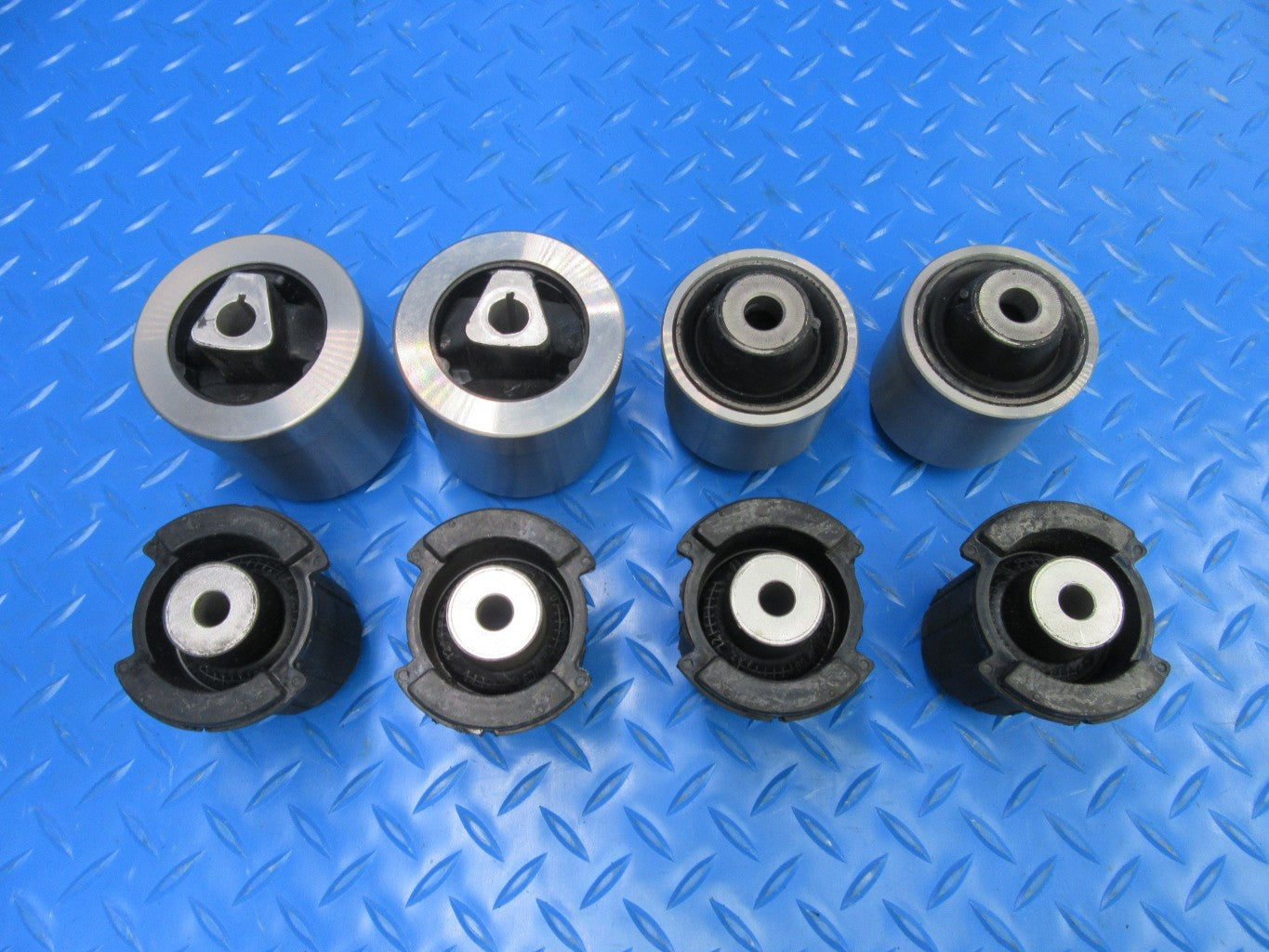
Suspension components laid out side-by-side (Source: Google)
These can include:
-
control arms
-
suspension bushings
-
stabilizer links
-
ball joints
-
shock absorbers
Trusted aftermarket brands may offer reliable alternatives to OEM parts while helping reduce repair costs.
Benefits of aftermarket suspension parts
-
More affordable pricing
-
Wider availability
-
Multiple quality options
-
Faster sourcing in many cases
Downsides of aftermarket suspension parts
-
Quality varies between brands
-
Some low-cost options may wear faster
-
Fitment confirmation becomes more important
Which Is Better in UAE Conditions?
In the UAE, suspension wear can happen faster because of:
-
high temperatures
-
frequent speed bumps
-
rough roads
-
desert driving
-
heavy vehicle usage
For many drivers and garages, trusted aftermarket suspension parts are often the practical choice, especially for older vehicles where repair cost matters.
However, OEM suspension parts may still make sense if:
-
you want factory-original specifications
-
the vehicle is newer
-
you prefer genuine manufacturer components

Worn suspension bushing vs brand new bushing (side-by-side comparison). Source: Google
OEM vs Aftermarket: Quick Comparison
| Factor | OEM | Aftermarket |
|---|---|---|
| Price | Higher | Usually lower |
| Fitment | Exact | Must confirm |
| Availability | Can vary | Often easier |
| Brand options | Limited | Multiple |
| Best for | Newer vehicles | Cost-conscious repairs |
How to Choose the Right Suspension Part
Before buying suspension components, ask:
1. What is the vehicle age?
For older vehicles, aftermarket suspension parts may offer better value.
2. How important is ride feel?
OEM parts may preserve the original driving feel more closely.
3. Is the brand trusted?
Not all aftermarket brands are equal. Quality matters.
4. Is fitment confirmed?
Always confirm using:
-
VIN/chassis number
-
OEM reference number
-
exact vehicle model and year

Final Thoughts
There is no single right answer between OEM and aftermarket suspension parts.
The best choice depends on:
-
your vehicle
-
budget
-
driving conditions
-
repair expectations
In many UAE cases, trusted aftermarket suspension parts provide strong value while maintaining reliable performance.
Still unsure which suspension part is right for your vehicle?
Send your VIN/chassis number or OEM reference, and we’ll help confirm fitment before purchase.
Related Pages

Comments
No comments yet. Be the first to leave one!