

Choosing reliable suspension parts is not only about price.
The right choice affects ride comfort, handling, safety, and long-term repair cost.
For traders, garages, fleets, and vehicle owners, the common question is simple:
Should you buy OEM parts, or should you choose a reliable replacement brand?
This guide explains the difference and helps you choose the right option for the vehicle, the budget, and the level of quality required.
What Are OEM Suspension Parts?
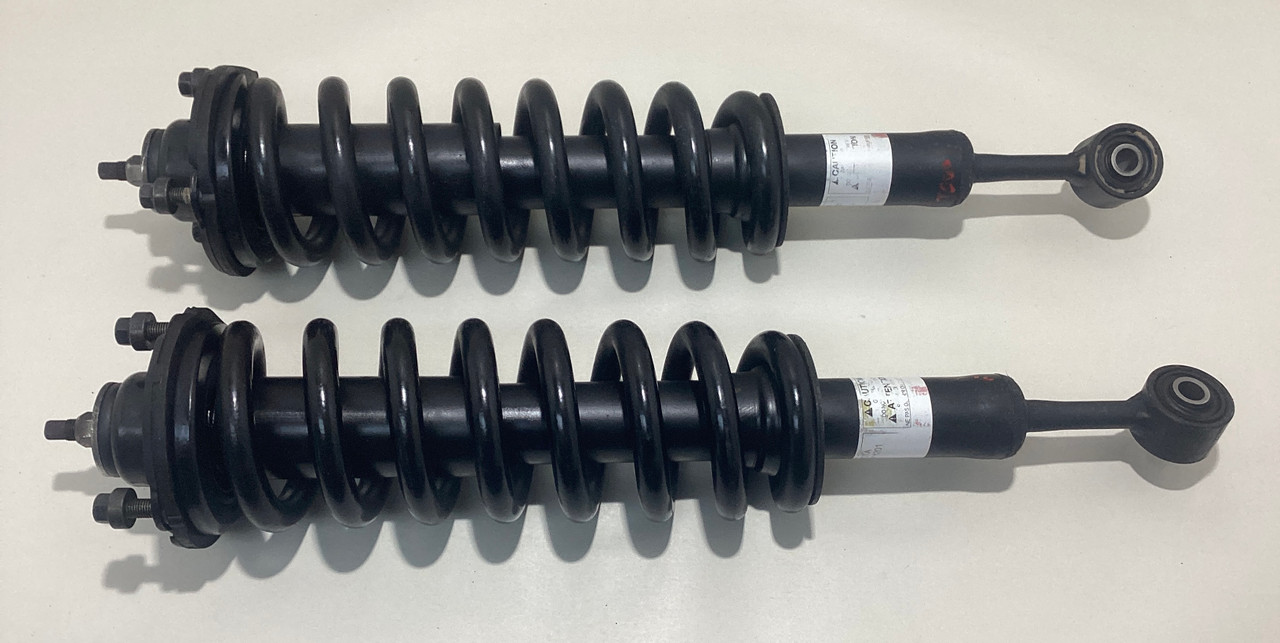
OEM stands for Original Equipment Manufacturer.
These parts are made by the original manufacturer or made to match the original factory specification of the vehicle.
- Designed for original fit and function
- Commonly chosen for newer vehicles
- Usually more expensive than replacement alternatives
- Often preferred when exact original specification is required
OEM is usually the right choice when:
- The customer specifically wants original parts
- The vehicle is newer or higher value
- Budget is less important than factory specification
What Are Replacement Suspension Parts?

Replacement parts are produced outside the original vehicle brand network.
That does not automatically mean low quality. The market includes both poor-quality parts and highly reliable brands.
- Usually more affordable than OEM
- Available in different quality levels
- Widely used in workshop, fleet, and trade supply
- Can offer excellent value when the right brand is chosen
The real comparison is not just OEM vs aftermarket.
It is OEM vs low-quality aftermarket vs high-quality replacement brands.
OEM vs Replacement: What Matters Most?

Many buyers focus only on price. That is where mistakes begin.
Reliable suspension parts should be judged based on:
- Fitment accuracy
- Material quality
- Brand consistency
- Supplier reliability
- Long-term durability
Choosing the cheapest part can lead to noise, faster wear, repeat labor, and unhappy customers.
Fix: Buy the part that gives the right balance of reliability, price, and application fit.
When OEM Makes Sense
OEM parts are usually the safer choice when the buyer wants factory-level confidence.
- Best for newer vehicles
- Good for premium vehicles
- Useful when original specification is required
- Suitable when the customer is less price-sensitive
Fix: Choose OEM when the priority is original specification, not cost efficiency.
When Reliable Replacement Parts Make More Sense
For many repairs, a trusted replacement brand is the smarter commercial choice.
- More practical pricing
- Better value for workshops and fleets
- Strong option for out-of-warranty vehicles
- Better margin potential for traders and distributors
Fix: Choose trusted replacement brands when you need reliable quality without full OEM pricing.
Reliable Suspension Brands We Offer


At Caroum, we offer trusted suspension brands that cover different quality and price requirements.
- FEBEST – strong choice for value and wide vehicle coverage
- MOOG – premium suspension and steering brand with strong reputation
- FEBI – reliable replacement brand known for consistent quality
- KYB – trusted brand for shocks, struts, and suspension performance
👉 The right brand depends on the vehicle, the use case, and the level of quality your customer expects.
How to Choose the Right Suspension Parts
- Check exact vehicle application before ordering
- Match the quality tier to the customer requirement
- Avoid low-cost parts that create repeat repair issues
- Use trusted brands for better consistency
- Work with suppliers who can confirm fitment and availability quickly
👉 Good buying decisions come from fitment + quality + supplier support, not price alone.
Looking for Reliable Suspension Parts?
Tell us:
- Your vehicle make and model
- The suspension parts you need
- Your market type (retail, wholesale, export, workshop, or fleet)
We’ll help you find the right suspension parts from trusted brands including FEBEST, MOOG, FEBI, and KYB.
Final Insight
Reliable suspension buying is not about choosing the cheapest part or blindly choosing OEM every time.
It is about choosing the right quality level for the vehicle, the application, and the customer.
Buyers who understand when to use OEM and when to use trusted replacement brands make better repair decisions, protect margins, and reduce repeat issues.

Discussion